Concerns Rise Over Press Freedom After Billionaire Acquires East Africa’s Largest Media Group
by admin on | 2026-03-14 11:27:43
Share: Facebook | Twitter | Whatsapp | Linkedin Visits: 10
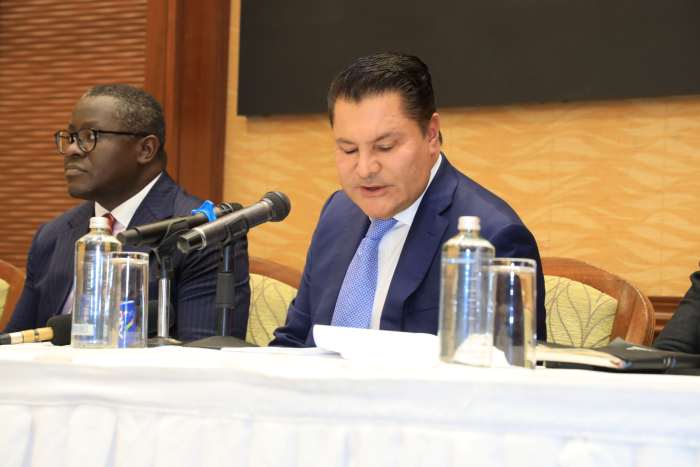
The recent purchase of a controlling stake in East Africa’s largest media company by Tanzanian billionaire Rostam Aziz has sparked debate about the future of independent journalism in the region.
Nation Media Group (NMG), which owns several major newspapers, television stations, and digital platforms across Kenya, Tanzania, Uganda, and Rwanda, plays a central role in shaping public information in East Africa.
The company’s flagship publications include well-known outlets such as Kenya’s Daily Nation, Tanzania’s Mwananchi, and Uganda’s Daily Monitor, which millions of people rely on for daily news.
New Ownership Raises Questions
Aziz announced that his investment firm, Taarifa Ltd, has acquired a 54% controlling stake in the media group. The deal still requires regulatory approval in the countries where the company operates.
While the businessman has promised to respect editorial independence, some journalists and media analysts are concerned that the change in ownership could eventually influence how news is reported.
Aziz previously served as a member of parliament in Tanzania for the ruling Chama Cha Mapinduzi (CCM) party and maintains close relationships with several political leaders across East Africa.
Because of these connections, critics fear that the media organisation could face pressure to align its coverage with political interests.
A Historic Media Institution
Nation Media Group has a long history in the region. It was founded in 1959 by the Aga Khan, whose development organisation maintained majority ownership for decades.
Under that structure, the company often operated with a level of independence that many observers say helped protect its editorial integrity during politically sensitive periods.
The Aga Khan Fund for Economic Development recently decided to sell its stake after reviewing its global investments and choosing to focus on other sectors.
Media experts say this change marks the end of a unique ownership model that had insulated the organisation from some political and commercial pressures.
Political Connections Under Scrutiny
Aziz’s relationships with influential political figures have attracted particular attention.
In Kenya, he has been publicly associated with President William Ruto, who attended the launch of a major energy project connected to the businessman in 2023.
Aziz has also been linked to several prominent political leaders across East Africa, including current and former presidents in Tanzania and other neighbouring countries.
Observers say these ties could raise concerns if political interests begin to influence editorial decisions at NMG.
Aziz Promises Editorial Independence
At a press conference in Nairobi, Aziz insisted that the investment is primarily a strategic business decision rather than a political move.
He said that credible journalism and strong editorial standards remain essential for the region’s development and pledged to maintain the company’s reputation for professional reporting.
The billionaire also emphasised that his relationships with political leaders are personal and unrelated to his investment in the media company.
Media Industry Facing Financial Challenges
Like many media organisations around the world, Nation Media Group has faced economic pressure in recent years.
Declining print advertising revenue and the shift toward digital platforms have forced many news companies to restructure operations and reduce staff.
Analysts say fresh investment from Aziz could provide much-needed capital to strengthen the company’s digital strategy and help it compete in the rapidly changing media landscape.
Investors React Positively
Despite concerns from some journalists and analysts, financial markets responded positively to the announcement.
Shares of Nation Media Group rose sharply on the Nairobi Securities Exchange following the news, suggesting that investors are optimistic about the company’s future under the new ownership.
However, many observers say the real test will come in the months ahead, as audiences watch closely to see whether the editorial independence of one of East Africa’s most influential media organisations remains intact.