Iranians Use Creative Methods to Bypass Internet Restrictions During Conflict
by admin on | 2026-03-15 11:54:28
Share: Facebook | Twitter | Whatsapp | Linkedin Visits: 10
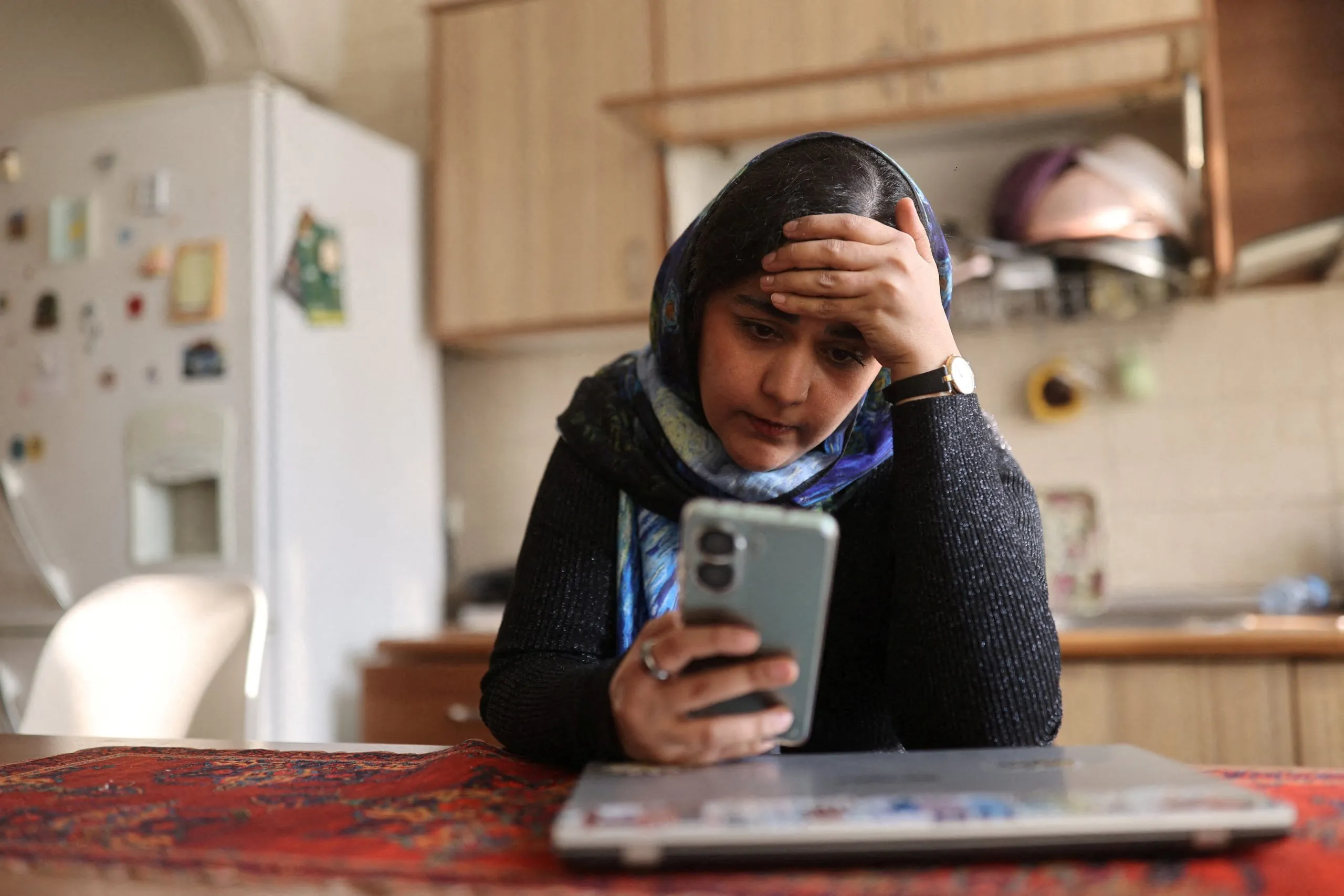
As tensions continue during the ongoing conflict involving Iran, many citizens inside the country are struggling to stay connected with family members abroad due to strict internet and communication restrictions.
With international calls and several online services blocked, Iranians have been finding alternative ways to communicate with loved ones outside the country.
Border Workarounds for International Calls
One unusual solution has emerged along the border between Iran and Turkey.
A man operating in the area provides a service that connects families separated by the restrictions. Using two mobile phones—one connected to Iran’s network and the other to Turkey’s—he acts as a bridge for conversations.
People outside Iran call his Turkish phone through messaging apps, and he then places a call using the Iranian phone to the intended recipient. By holding both devices together, the two parties can briefly speak.
The location near the border allows the phones to access both networks simultaneously, making this workaround possible.
Expensive and Unreliable Connections
While the method helps families stay in contact, the service is far from perfect.
Calls often disconnect after only a few minutes, and many attempts fail before a connection is established. Because of the complicated process and payment fees, short conversations can cost as much as £28 (around $38) for just a few minutes of communication.
Despite the high price, many people are willing to pay to hear from relatives during the crisis.
Families Struggling to Stay Connected
For some, the restrictions have disrupted important life events.
A woman in Tehran who was preparing for her wedding said her fiancé, who lives in Canada, was supposed to travel to Iran for the ceremony. However, the conflict led to flight cancellations and communication difficulties.
She explained that she now spends large sums of money simply to access the internet and speak briefly with him.
Others describe similar struggles as they attempt to reassure relatives abroad who are worried about their safety.
VPNs Become a Lifeline
Many Iranians are also relying on virtual private networks (VPNs) to bypass internet restrictions.
VPN technology allows users to route their internet traffic through servers in other countries, helping them access blocked messaging apps, websites, and social media platforms.
However, the government frequently attempts to block VPN connections, making access inconsistent and forcing users to constantly search for new services.
Communication During Crisis
The restrictions highlight how modern conflicts increasingly affect digital communication.
While governments may attempt to control information during wartime, citizens often find creative ways to maintain contact with the outside world.
For many Iranians, these methods—despite being costly and unreliable—provide a vital connection to family members living abroad during a time of uncertainty.